
The short answer
For most Australian trips, buy the 3-season. Nortent's new 3S range drops around a kilogram against the 4-season tent it's based on, and a kilogram is a lot when you're carrying it up the Main Range. Take the 4-season if you camp above the treeline in winter, in Tasmania, or anywhere you expect snow loading and sustained wind.
The 3-season tents cost more, not less. The Vern 1 3S is $949 against $899 for the Vern 1. The Ly 1 3S is $1,049 against $999. You aren't paying for weather rating — you're paying to carry less, and on the Vern 1 and Ly 1 that works out at roughly $50 a kilo saved.
This guide covers what Nortent actually changed to find that weight, which of the three pairs is worth the jump, what a 40D floor means on Australian ground, and when the 4-season tents genuinely earn their keep here.
| Topic | Nortent 3-season vs 4-season tents — which one suits your camping |
|---|---|
| Best for | Hikers and tourers choosing between the new 3S range and the 4-season originals |
| Plan around | Pack weight · where you camp in winter · vestibule space · floor protection |
| Buy first | The 3S if you carry it; a footprint either way |
| Most useful tip | On the Vern 1 and Ly 1, a kilo of weight saving costs $50 — take it |
| Don't skip | A footprint. The 3S floor is 40D and Australian ground is unkind |
What Nortent changed: a 70D floor becomes 40D
"3-season" on a spec sheet usually means someone removed material. Nortent are unusually specific about where.
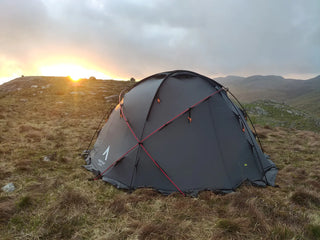
The 4-season Vern 1 and Ly 1 use what Nortent describe as a "thick and solid 70D floor" that is waterproof and puncture-proof. The 3S versions drop to a 40D floor, still waterproof at 5000 mm hydrostatic head, but noticeably lighter. The inner tent changes too — more breathable, with the airflow prioritised over heat retention. On the Vern 1 3S the flysheet moves to an ultralight silnylon 66.
Nothing about that is a downgrade in build quality. It's a different brief. The 4-season tents are built to sit under snow load and hold their shape in a Norwegian gale; the 3S tents are built to be carried a long way between spring and autumn. Both are still Nortent — the same aerodynamic profiles, the same 7001-series alloy pegs, the same reinforced stress points.
The Ly 1 3S is shorter, lighter, and roomier inside
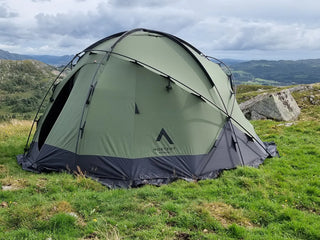
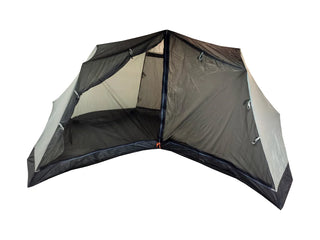
Nortent took the Ly 1, cut the total length to 195 cm, and removed one of its two vestibules. Then they expanded the inner tent into the space the vestibule used to occupy. The result is a tent that is shorter overall and 1,180 g lighter, and which gives you a larger sleeping area than the 4-season Ly 1 it came from.
At 1.57 kg the Ly 1 3S is the lightest tent Nortent have built. What you give up is the second vestibule — so gear storage goes from two porches to one, which matters more if you're sharing the tent with a big pack and wet boots than if you're travelling light.

The three pairs, side by side
The Vern 1 and Ly 1 are close to a rounding error in money for a kilo off your back — if you're hiking with either, take the 3S. The Vern 2 3S is a genuine decision at $200, and it's the one where you should think about how you actually use it. If the Vern 2 mostly gets carried a few hundred metres from the car, keep the $200 and take the 4-season.
What "4-season" means in a country with no Norwegian winter
Season ratings are written for the Northern Hemisphere, and a Norwegian 4-season tent is built for conditions most of this country never sees.
Australia does have terrain that asks for a 4-season tent. The Snowy Mountains and the Victorian High Country above the treeline in winter, the Tasmanian highlands in any season — the Overland Track and the Western Arthurs can throw wind and horizontal rain at you in February. Anywhere you might wake up with snow sitting on the fly, you want the stiffer poles and the heavier floor.
The rest of the year, and the rest of the continent, is three-season country by any sensible reading. And here the 3S design brief lines up neatly with our conditions: a more breathable inner is a liability in a Scandinavian winter and an asset on a humid night in the Grampians. The thing that makes these tents lighter also makes them cooler to sleep in, which is the right trade for most Australian nights.

The 40D floor and Australian ground
A 40D floor is waterproof — 5000 mm HH is well beyond what any weather asks of a floor — but denier measures yarn thickness, not waterproofing. Dropping from 70D to 40D means less resistance to abrasion and puncture. Norwegian ground is often moss, heather and snow. Ours is sticks, stones, spinifex, bindii and whatever the last camper left behind.
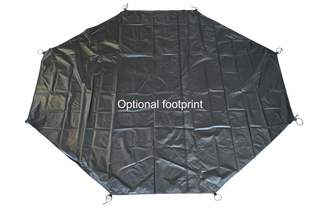
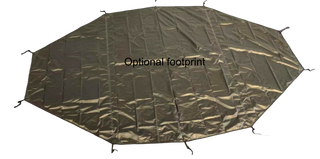
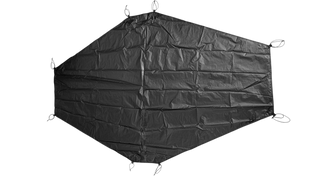
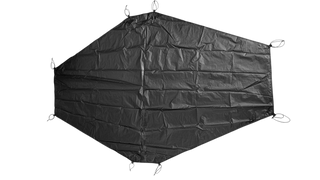
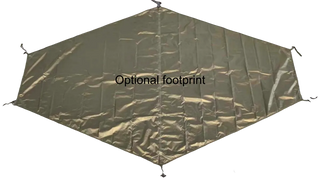
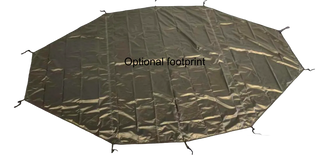
So on a 3S tent in Australia, a footprint stops being optional-and-nice and becomes the thing that protects your most expensive fabric. We stock Nortent footprints from $68 — Ly 1, Vern 1, Vern 2 and the rest of the range. Check the one you order matches your exact version: the 3S tents are cut differently to their 4-season counterparts, and the Ly 1 3S in particular is shorter and carries one vestibule rather than two. Clear the site properly before you pitch, too — thirty seconds kicking sticks aside is worth more than any fabric spec.
Where the Varde sits
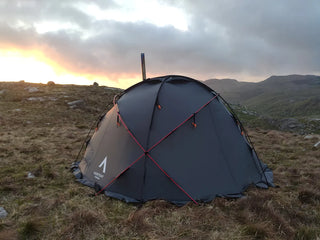
The Varde 1 (2.8 kg, $1,099) and Varde 2 (3.9 kg, $1,299) are Nortent's 4-season backpacking tents — full winter capability in something you can still carry. They're the answer if you want one tent for everything including alpine winter, and you're prepared to carry the extra weight all year to get it.
The 3S range is for people who camp three seasons and want to move fast. The Varde is for people who camp four seasons and still want to walk in. The Vern and Ly 4-season tents sit between the two, and represent the best value in the range if weight isn't your first concern.
The Gamme, Lavvo and Koie: tents you live in
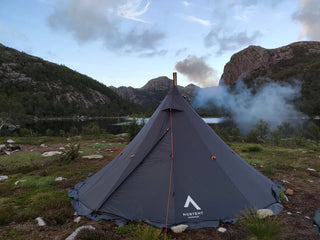
The tents above are what you carry. Nortent's larger shelters are what you set up and live in — the Gamme series from four to eight people, the Lavvo and Koie tipi-style shelters, and the 16-person Mjodhall. They're a different kind of purchase: base camps, hunting trips, groups, and cold-weather setups where a stove and standing room matter more than pack weight. Browse the full Nortent range if that's the direction you're heading.
Choosing between them
- You hike, spring to autumn, and carry your own tent. The 3S range, without hesitation. On the Vern 1 and Ly 1 the weight saving costs $50.
- You want the most room for one person and every gram counts. Ly 1 3S — 1.57 kg with a bigger inner than the 4-season version.
- You want one vestibule for you and one for your gear. Stay with the 4-season Ly 1; the 3S trades the second porch for its weight saving.
- You camp two-up and mostly near the car. Vern 2 4-season, and keep the $200.
- You walk in above the treeline, or camp Tasmania year-round. Varde 1 or Varde 2 — four-season capability you can still carry.
- You're setting up a base camp, or you want a stove. Gamme, Lavvo or Koie.
The Nortent range, with live pricing
Every Nortent tent, footprint and accessory we stock, with current prices.
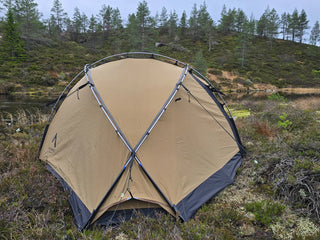
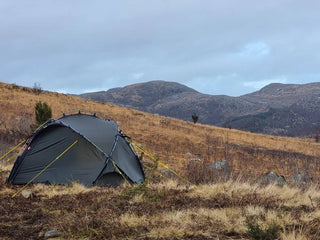
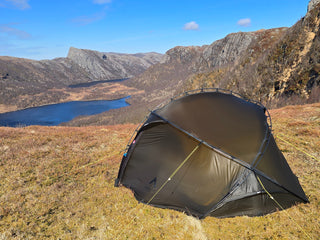
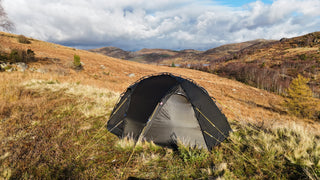
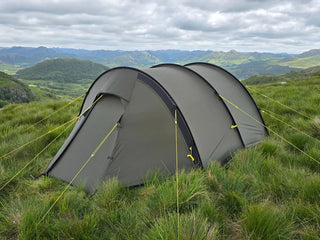
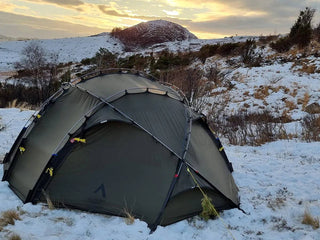
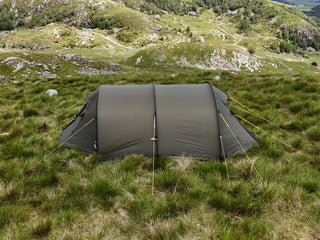
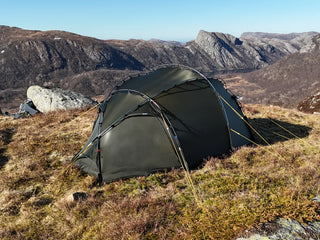
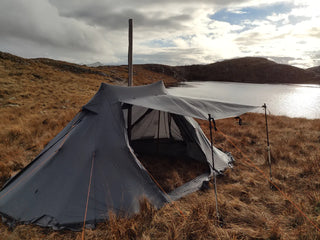
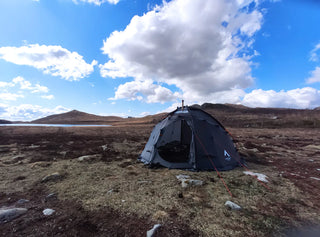
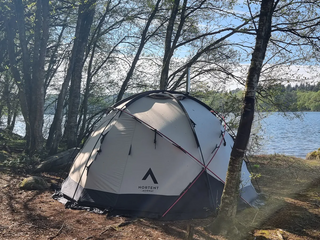
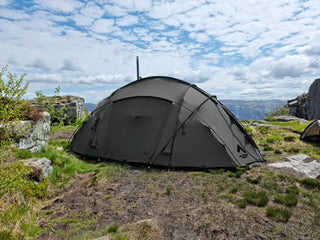
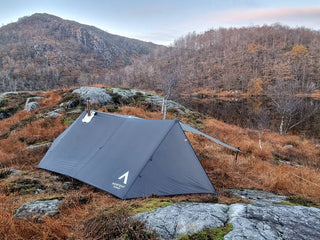
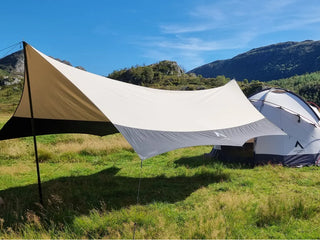
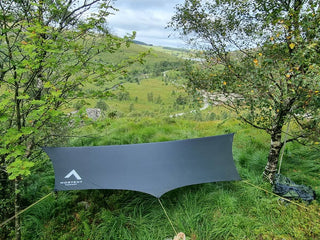
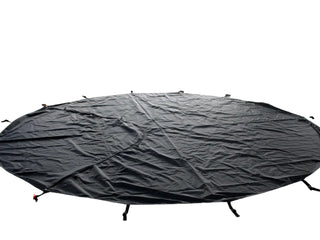
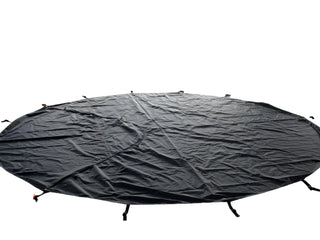
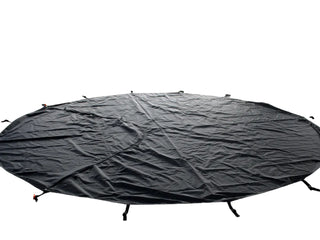
No cover in stock matches that length yet. Browse all 43 products or ask us to source one.
Nortent products in stock now
The short version
Nortent's 3S range fits how most Australians actually camp. It's lighter by around a kilo, breathes better on warm nights, and costs a little more for the privilege — $50 on the Vern 1 and Ly 1, which is close to free for the weight, and $200 on the Vern 2, which is worth a think.
Buy a footprint with it. The 40D floor is the one concession to weight that our ground will find, and $68 to $94 protects a tent that starts at $949.
Ready to pick one?
The full Nortent range is in stock, including all three 3S tents, their 4-season counterparts, the Varde backpacking pair, and the Gamme, Lavvo and Koie expedition shelters — along with footprints, inner tents, poles and pegs for each.
Common questions
What Nortent changed: a 70D floor becomes 40D?
"3-season" on a spec sheet usually means someone removed material. Nortent are unusually specific about where. The 4-season Vern 1 and Ly 1 use what Nortent describe as a "thick and solid 70D floor" that is waterproof and puncture-proof. The 3S versions drop to a 40D floor , still waterproof at 5000 mm hydrostatic head, but noticeably lighter.
Where the Varde sits?
The Varde 1 (2.8 kg, $1,099) and Varde 2 (3.9 kg, $1,299) are Nortent's 4-season backpacking tents — full winter capability in something you can still carry. They're the answer if you want one tent for everything including alpine winter, and you're prepared to carry the extra weight all year to get it.