
GEAR UP FOR THE CATCH

FISHING TACKLE & GEAR

Lures · Vibes · Line · Hooks · Tackle

Shop Lures & Tackle

Everything for Your Next Fishing Trip

From estuary bream on soft plastics to barra on hardbodies — Camping Australia stocks lures, line, hooks and tackle for every angler and every water in Australia.

Tackle for Every Aussie Water

Estuaries, dams, beaches and blue water — our fishing range covers freshwater and saltwater species right around the country.

Lures, Line & Terminal Tackle

Hardbodies, soft plastics, vibes, hooks, swivels and leader — everything to rig up and start casting, in one place.

Brands Anglers Trust

We stock proven tackle brands selected to perform — from your first estuary session to serious sportfishing.

Fast Shipping Australia-Wide

Get your gear delivered fast, anywhere in Australia. Need a hand choosing? Our team fishes too.

Fishing Tips & Guides

Expert advice to help you catch more

Pier at sunset with colorful sky and calm ocean.
Apr 26, 2026·4 min read

Fishing for Beginners — The Complete Starter Guide

A complete fishing-for-beginners guide — rod and reel choice, terminal tackle, bait vs lure, mono vs braid, the running sinker rig, and the 5 knots that get you started.

Read more
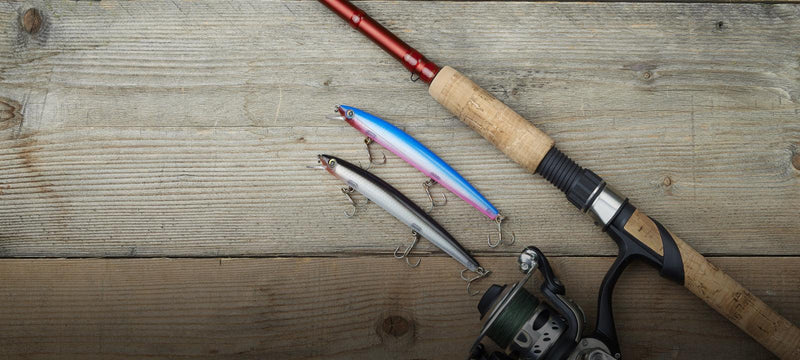
Fishing Lure Basics: Understanding Types, Applications, and Target Species - Camping Australia
Feb 21, 2023·9 min read

Fishing Lure Basics: Understanding Types, Applications, and Target Species

In this article, we explore the world of fishing lures and provide quick facts to help you make an informed decision when choosing the right lure for your fishing needs. Fishing lures are designed to mimic the movement and appearance of fish prey, making them an effective tool to attract predatory fish. At Camping Australia, we offer a wide variety of lures, including hard body, soft plastic, jigs, metal, spinnerbaits, and game lures, each designed to cater to specific areas, applications in fresh and salt water, and target species. Whether you're a novice angler or an experienced fisherman, gaining a substantial knowledge of fishing lures is essential in helping you locate suitable products for your specific application.

Read more
black and gray round frame
Apr 25, 2026·3 min read

Selecting Fishing Line — Breaking Strain Explained

How to pick the right fishing line — what breaking strain actually means, matching line to species, mono vs braid vs fluorocarbon, and why the knot matters more than the line.

Read more
a close up of a bike handlebar with a camera attached to it
Apr 26, 2026·3 min read

Fishing Reels — A Complete Buyers Guide

A complete fishing reel buyers guide — four types (spinning, baitcaster, side-cast, overhead), sizing (1000-14000), drag systems, gear ratios, brands, care + maintenance.

Read more

Fishing FAQs

Answers for anglers — from first cast to serious sport

What is a vibe lure and when should I use one?

+

A vibe (or "vibration bait") is a flat, lipless, sinking lure with the line tie on its back. As it sinks or is lifted, it puts out a tight body roll and vibration that triggers strikes. Vibes shine in colder water and deeper holes when fish are sluggish — work them with a lift-and-drop along the bottom, or a slow roll. They are a go-to for bream, flathead, bass, golden perch and barramundi in estuaries, dams and impoundments, and because they sink they let you reach fish that surface lures and shallow hardbodies can't.

Soft plastics or hardbody lures — which should I choose?

+

Soft plastics are versatile, inexpensive and have a lifelike action — rigged on a jig head they suit almost any species and let you change profiles in seconds. Hardbody lures (minnows, crankbaits) dive to a set depth and hold it, so they're ideal for casting to structure or trolling a known depth. Vibes sit between the two — they sink fast and cover the water column. Most anglers carry all three: soft plastics for finesse, hardbodies for diving to depth, and vibes for cold or deep water.

Braid, monofilament or fluorocarbon — what's the difference?

+

Braid is thin for its strength, has almost no stretch and is extremely sensitive — the best choice for your main line, especially when lure fishing. Monofilament stretches, floats and is forgiving and cheap — great for beginners and bait fishing. Fluorocarbon is nearly invisible underwater, sinks and resists abrasion — most anglers use it as a leader tied to a braid main line. A typical lure setup: braid main line + a rod-length fluorocarbon leader joined with an FG or double-uni knot.

What breaking strain line do I need?

+

Match line to your target species and water. Light estuary fishing (bream, whiting, flathead): 4–8 lb braid with a 6–10 lb leader. General all-rounder (snapper, salmon, bass): 10–20 lb braid with a 12–20 lb leader. Heavy / offshore (mulloway, kingfish, reef): 30 lb braid and up with a heavy leader. Heavier line is not always better — lighter line casts further, gets more bites and lets light lures swim naturally. Step up only when structure or fish size demands it.

What hook size should I use?

+

Hook sizing runs two ways. For plain sizes, a bigger number means a smaller hook (a size 12 is tiny, a size 1 is much larger). Above size 1, hooks switch to "aught" sizes (1/0, 2/0, 3/0…) where a bigger number means a bigger hook. As a rough guide: size 6–1 for whiting, bream and garfish; 1/0–4/0 for flathead, snapper and salmon; 5/0 and up for mulloway and larger species. Match the hook to the bait size as much as the fish — the bait should sit naturally.

What rod and reel should a beginner buy?

+

A 7 ft light-to-medium spin rod paired with a 2500–4000 size reel is the most versatile starter setup — it handles estuary, beach, lake and light boat fishing. Spool it with 8–12 lb braid and add a fluorocarbon leader. Quality entry brands include Shimano, Daiwa and Penn, and a balanced combo costs roughly $80–250. Buy a balanced outfit rather than the cheapest rod and reel separately — a well-matched combo casts better and lasts far longer.

What is terminal tackle?

+

Terminal tackle is everything at the business end of your line: hooks, sinkers, swivels, snaps, rings, beads and leader. Swivels stop line twist, snaps let you change lures quickly, and sinkers get your bait down to where the fish are. A small tackle box of well-organised terminal tackle covers most situations — keep a range of hook sizes, a few sinker weights (ball, bean and star) and quality swivels, and you can rig for almost any species on the day.

Do I need a fishing licence in Australia?

+

It depends on the state. NSW requires a recreational fishing fee for almost all fishing (fresh and salt). Victoria requires a recreational fishing licence with some exemptions. Queensland has no general licence but requires a Stocked Impoundment Permit for many dams. WA requires licences for specific activities (rock lobster, abalone, freshwater, net fishing). SA, Tasmania and the NT vary, with Tasmania requiring an inland angling licence. Always check your state fisheries authority before you fish — rules and fees change yearly.

How do I look after my fishing gear?

+

Rinse everything in fresh water after every saltwater trip — rods, reels, lures and pliers. Salt is the number one killer of fishing tackle. Let gear dry fully before storing it in a tackle box so hooks and split rings don't rust. Back the drag off on your reels between trips to protect the drag washers, and add a drop of reel oil to moving parts occasionally. Touch up blunt or rusty hooks with a hook file, and replace worn leader before each session.

What lure colour should I use?

+

A simple rule: natural colours in clear water, bright or dark colours in dirty water. In clean estuary or dam water, match the local baitfish with browns, greens, silvers and translucent patterns. In stained or murky water — or low light — use high-contrast colours like chartreuse, gold, black or fluoro to help fish find the lure. Dark lures also work well on bright days because they show a strong silhouette. Carry a few options in each category and let the fish tell you what they want.