
DC-DC battery chargers
What it actually does
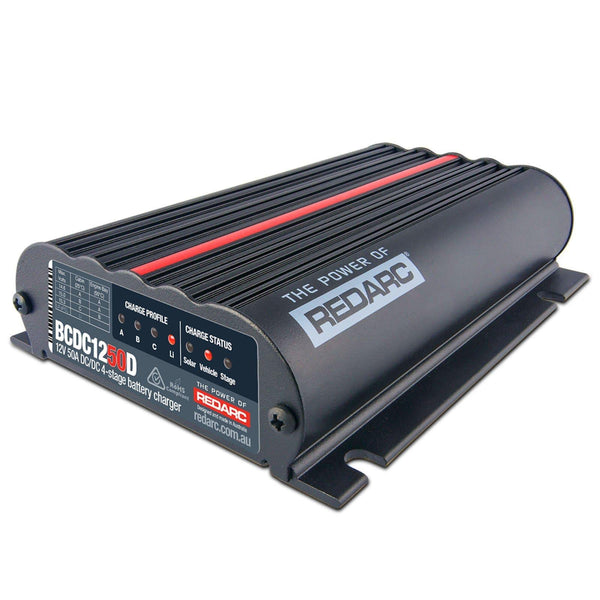
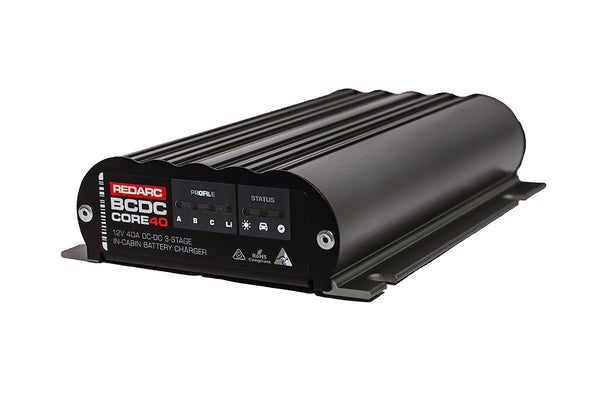
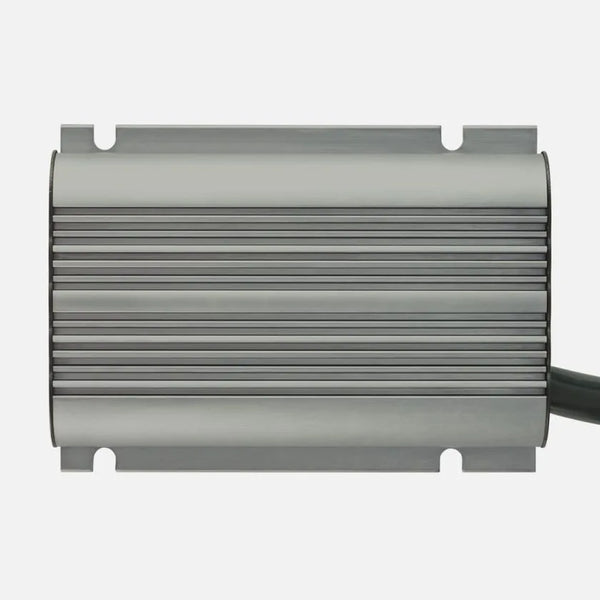
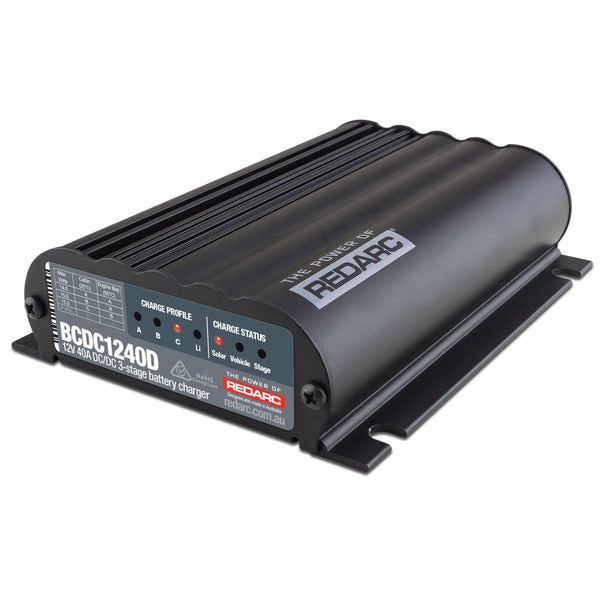
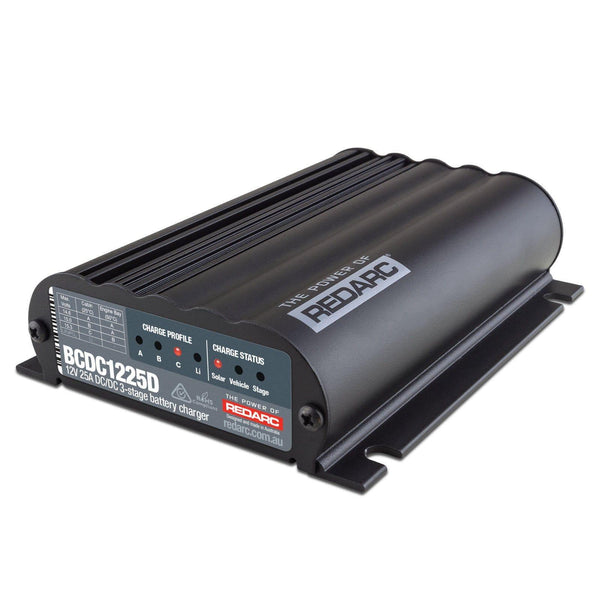
A DC-DC charger sits between the starting battery and the auxiliary one, and gives the aux a full, correctly staged charge while you drive. Modern vehicles run smart alternators that vary their output to suit the starting battery, so a second battery wired straight through often never sees a full charge no matter how far you drive. The DC-DC takes whatever the alternator hands it and finishes the job.
Picking the right one
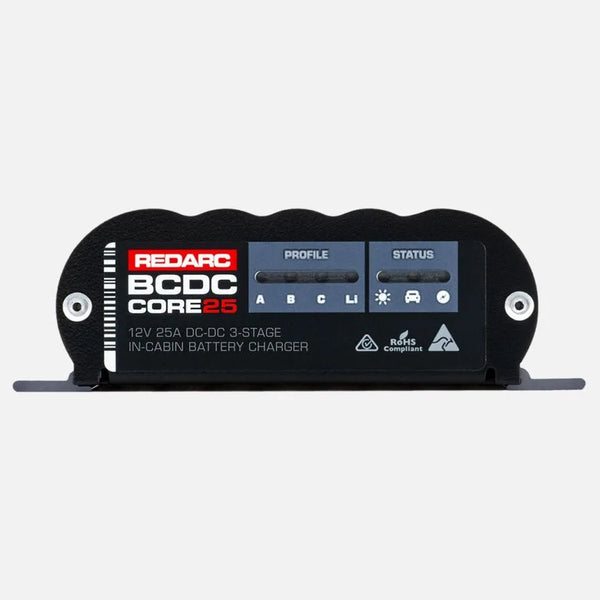
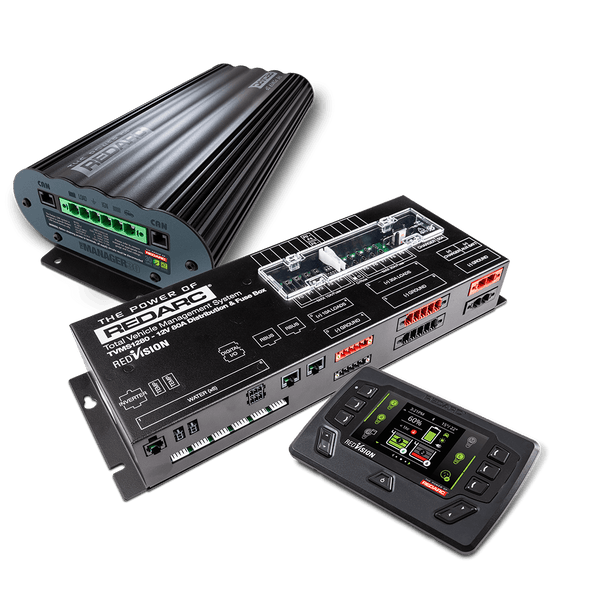
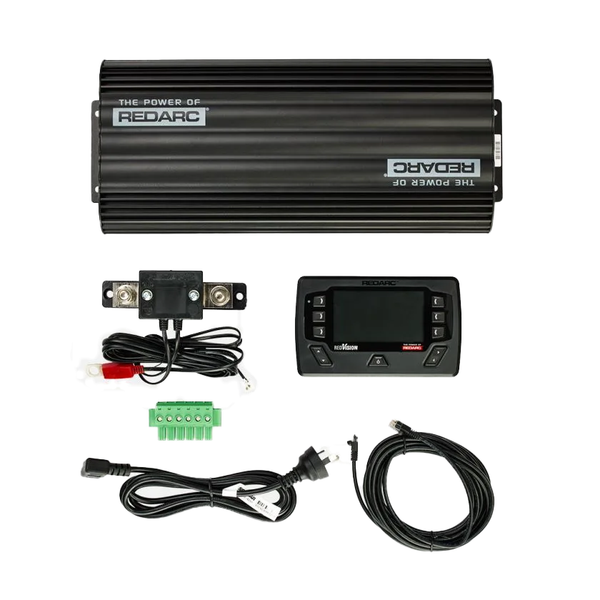
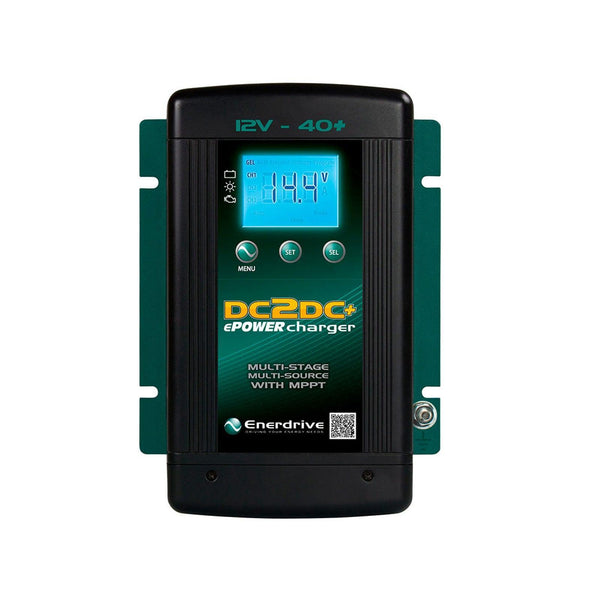
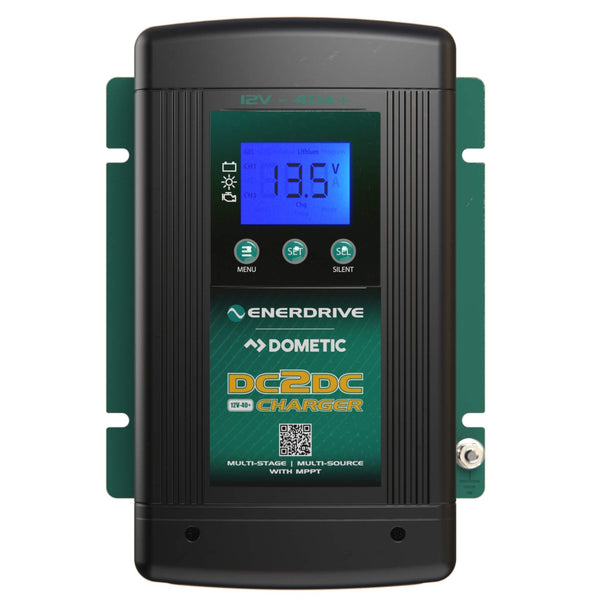
Match the amps to the battery you are charging. 20–25A suits a 100Ah auxiliary; 40A if it is lithium, or if your drive legs are short and you need the charge in quickly. Set it for the chemistry you actually have, because AGM and lithium want different charge profiles and running one on the other's profile shortens its life. Some models also take a solar input through a built-in MPPT regulator, so one box handles the alternator and a panel — three of the chargers here do that.
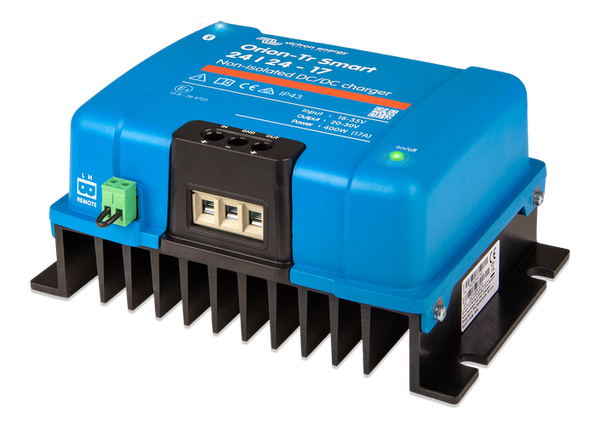
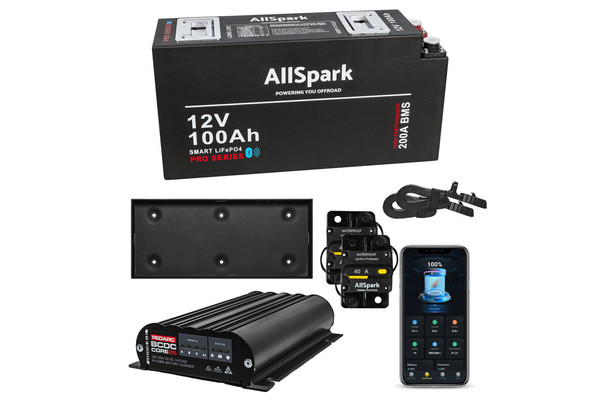
We stock RedArc, Enerdrive, Baintech, BMPRO, Victron, Safetex and VEVOR, from 15A to 40A, starting at $115. Not sure what size you need? The runtime calculator in our fridge guide works it out from your fridge and your battery.

DC to DC Battery Chargers
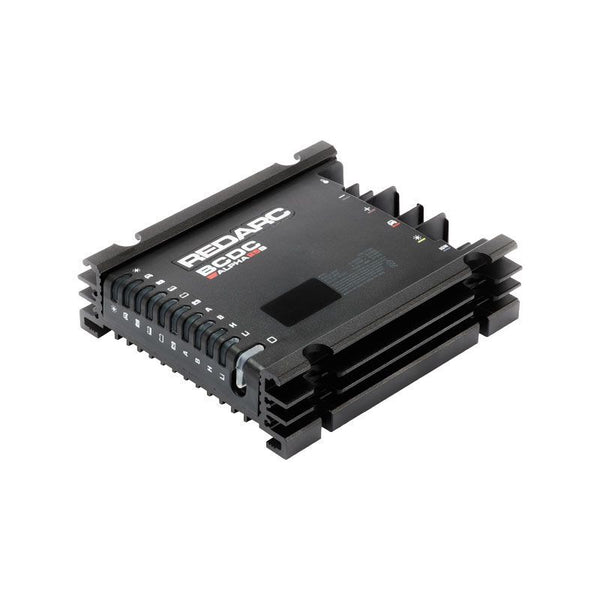
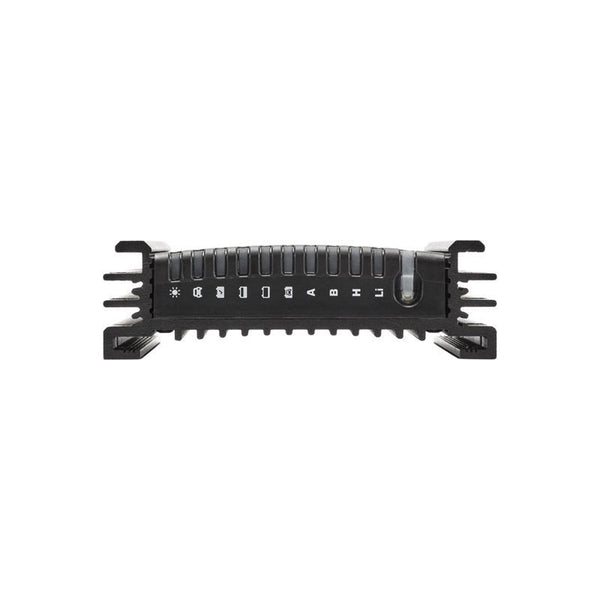

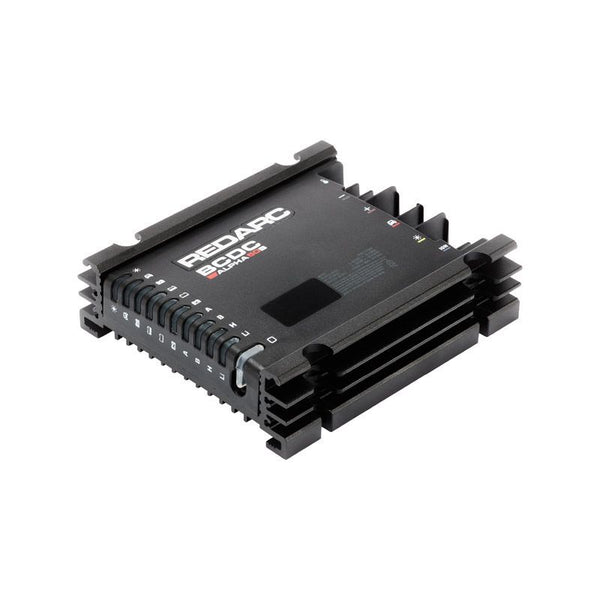





















Read up before you buy
How DC-DC charging works and what size you need — the fridge guide has the calculator in it.

DC-DC Battery Chargers: How They Work, What Size You Need and Which to Buy
Shop the DC-DC battery chargers we stock by size, from 20 A to 50 A, then learn how they work, what size you need (with a worked 100Ah example), what to do past 50 A, how to read the status lights or app, and how to find an installer. Ships from Bendigo, with 30-day change-of-mind returns.
Read more
Setting Up a 12V Fridge in a 4WD — Everything You Need to Know
A practical guide to 12V fridge setup in a 4WD — fridge type comparison, sizing, dual-battery systems, AGM vs lithium, solar top-up, wiring direct, mounting properly.
Read more