
DC-DC battery chargers
What it actually does
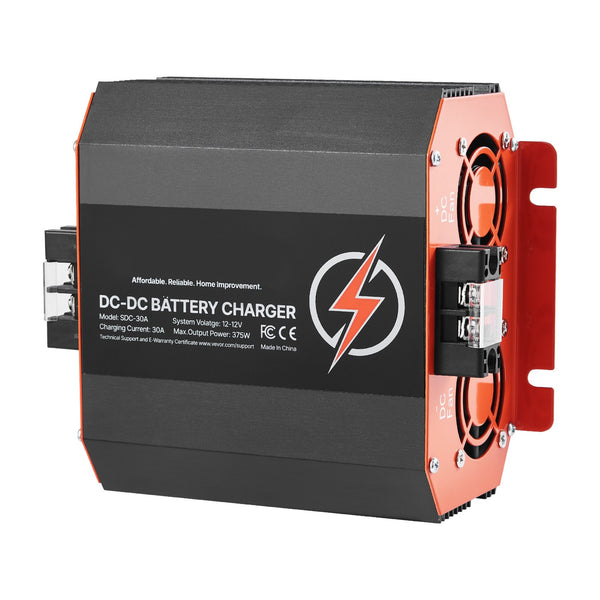
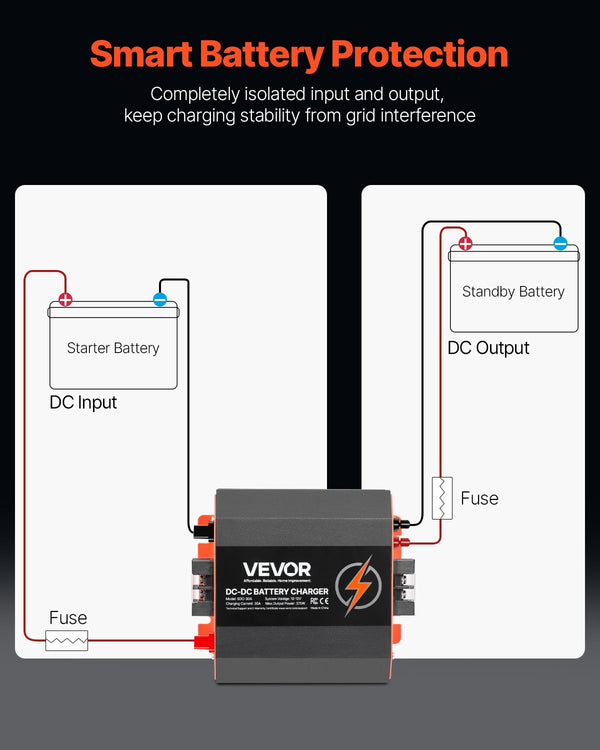
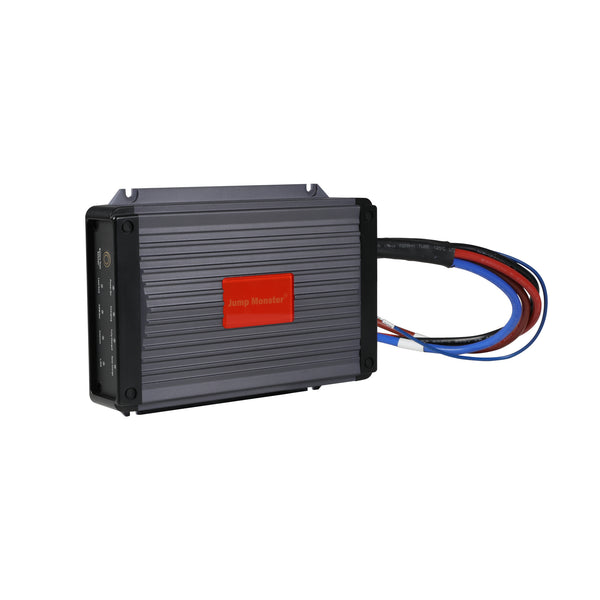
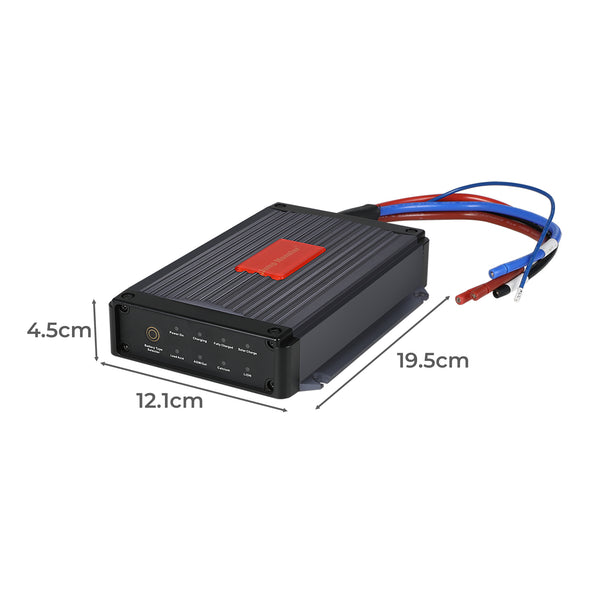
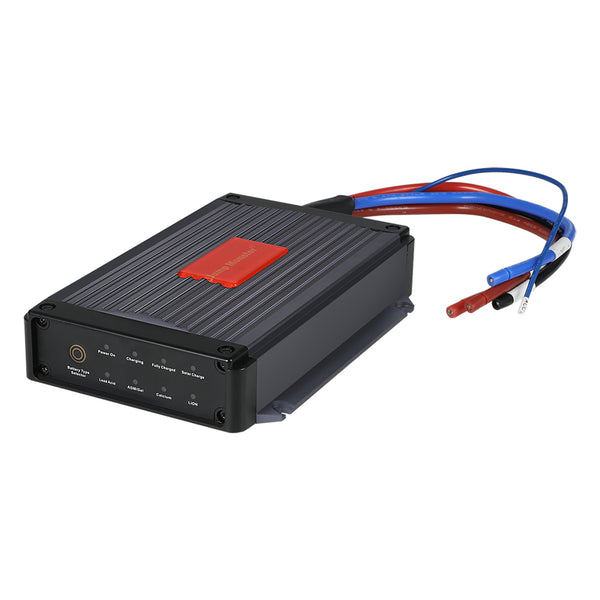
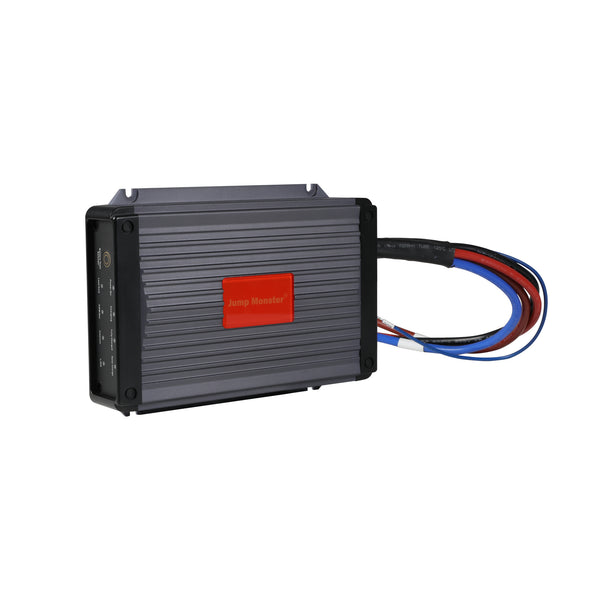
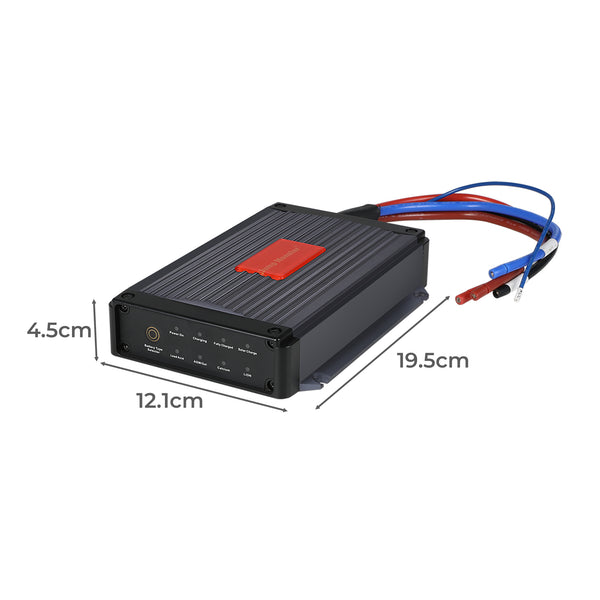
A DC-DC charger sits between the starting battery and the auxiliary one, and gives the aux a full, correctly staged charge while you drive. Modern vehicles run smart alternators that vary their output to suit the starting battery, so a second battery wired straight through often never sees a full charge no matter how far you drive. The DC-DC takes whatever the alternator hands it and finishes the job.
Picking the right one
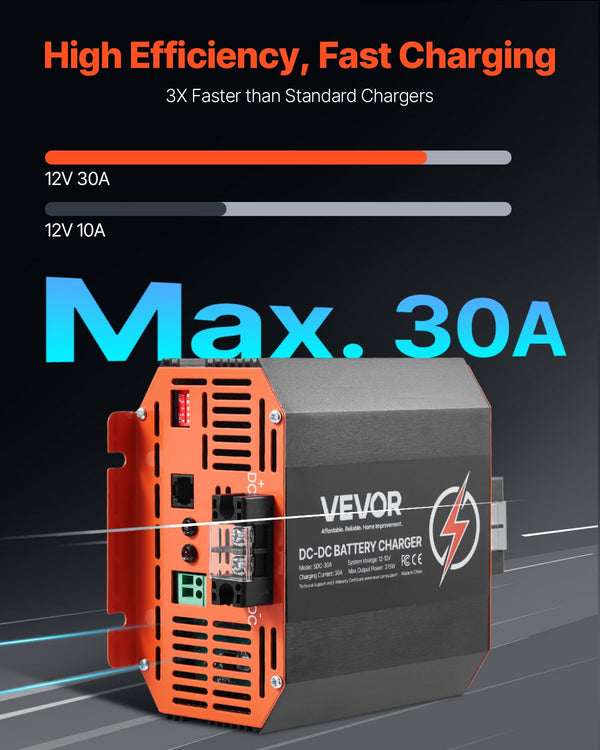
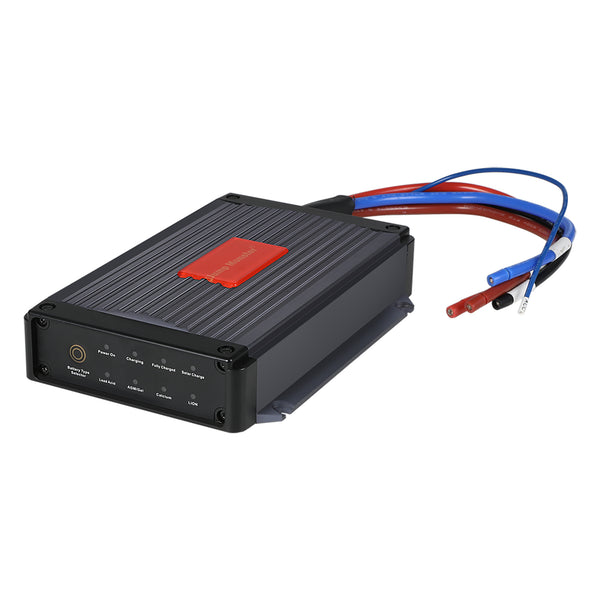
Match the amps to the battery you are charging. 20–25A suits a 100Ah auxiliary; 40A if it is lithium, or if your drive legs are short and you need the charge in quickly. Set it for the chemistry you actually have, because AGM and lithium want different charge profiles and running one on the other's profile shortens its life. Some models also take a solar input through a built-in MPPT regulator, so one box handles the alternator and a panel — three of the chargers here do that.
We stock RedArc, Enerdrive, Baintech, BMPRO, Victron, Safetex and VEVOR, from 15A to 40A, starting at $115. Not sure what size you need? The runtime calculator in our fridge guide works it out from your fridge and your battery.





Read up before you buy
How DC-DC charging works and what size you need — the fridge guide has the calculator in it.

The Ultimate Guide to DC to DC Chargers for Camping in Australia
This blog post is an in-depth exploration of DC to DC chargers and their crucial role in off-grid power management for 4x4 vehicles, caravans, RVs, and other off-road adventures. We explain the technicalities of DC to DC chargers, their compatibility with different battery types, and their ability to work with smart alternators and solar panels. The article presents a comprehensive list of the benefits of DC to DC chargers, including optimal charging, increased battery life, faster charging, and solar integration. We also discuss potential drawbacks, such as higher cost and installation complexity, to provide a balanced view.
Read more
Setting Up a 12V Fridge in a 4WD — Everything You Need to Know
A practical guide to 12V fridge setup in a 4WD — fridge type comparison, sizing, dual-battery systems, AGM vs lithium, solar top-up, wiring direct, mounting properly.
Read more